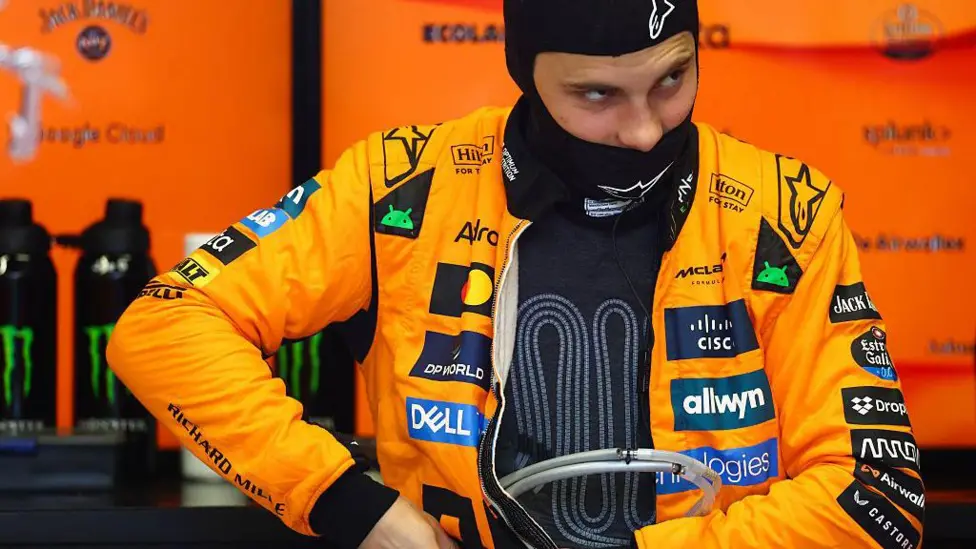
The Singapore GP heat hazard ruling marks a historic first under a new FIA regulation introduced this year. With temperatures forecast to exceed 31°C and humidity levels soaring in Singapore’s tropical climate, the governing body has activated special heat protocols for the race weekend. As a result, drivers may now use cooling vests during the event to manage extreme cockpit conditions.
Although wearing the vests is not mandatory, all teams must install the cooling system in their cars. This ensures no driver gains a competitive edge by running a lighter car without the equipment. The rule maintains fairness while prioritizing health in punishing conditions.
This is the first time the FIA has officially designated a race as a heat hazard. However, teams have already tested cooling vests intermittently throughout the season. Mercedes’ George Russell, who also serves as a director of the Grand Prix Drivers’ Association (GPDA), trialed the system during pre-season testing in Bahrain.
“Not everybody finds the top comfortable,” Russell said, “but I think some find it more comfortable than others. Over time, you’ll be able to adjust it to your own preferences.” He added, “The concept is good. When you’re racing in 90% humidity and cockpits reach nearly 60°C, it’s a bit of a sauna inside the car. So I think we all welcome it.”
Williams driver Carlos Sainz, another GPDA director, called the FIA’s decision “fair.” He explained that heat alone—like in Hungary—is manageable. Similarly, high humidity without extreme temperatures poses little issue. “But when it’s 28°C or 30°C plus humid, that’s when it hits Singapore levels,” Sainz said. “That’s when it gets tough.”
The Singapore Grand Prix has long been considered Formula 1’s most grueling race. Drivers face a perfect storm of challenges: oppressive heat, stifling humidity, a street circuit with a bumpy surface, and a race duration that often pushes the two-hour time limit. These factors combine to create extreme physical and mental strain.
The introduction of the Singapore GP heat hazard protocol reflects growing awareness of driver welfare in extreme climates. While the cooling vests won’t eliminate the challenge, they offer a crucial layer of protection during one of the sport’s toughest weekends.
As Formula 1 expands into more diverse—and often hotter—regions, such measures may become increasingly common. For now, all eyes are on Marina Bay, where drivers will battle not just for position, but against the elements themselves.
READ: Transfer Rumors: Big Moves for Vinicius Jr., Palmer, and Valverde
