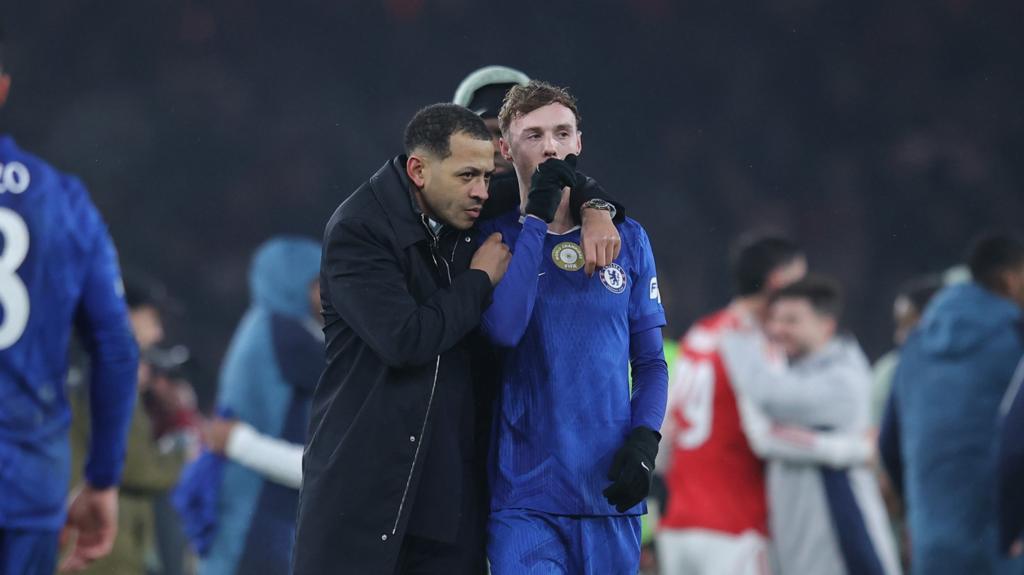
Chelsea manager Liam Rosenior has confirmed a significant Chelsea injury blow, revealing winger Jamie Gittens will be sidelined long-term. The young attacker suffered a hamstring tear, ruling him out of immediate first-team contention. Consequently, this news dampens the mood at Cobham ahead of a crucial Premier League fixture. Rosenior addressed the media as his team prepares to visit Wolverhampton Wanderers on Saturday. The Blues currently ride a three-match winning streak in the league. Therefore, Gittens’ absence presents a challenge to maintaining that positive momentum. Rosenior did not specify an exact return date, but the “long-term” designation suggests a recovery period spanning several weeks, if not months. This setback disrupts the player’s development and limits Rosenior’s attacking options.
The Chelsea injury news emerged during Rosenior’s pre-match press conference on Friday. He provided the update while discussing overall team fitness ahead of the trip to Molineux. Gittens, a promising academy graduate, has been featuring in matchday squads this season. His pace and direct style offered a different option from the bench. The specific mechanism of the injury was not disclosed, but hamstring tears typically require extensive rehabilitation. This is a common issue in football due to the sport’s explosive sprinting demands. The medical staff will now focus on his recovery program. Meanwhile, Rosenior must reconfigure his plans without the 20-year-old winger. The manager will likely turn to other squad players to fill the void during a congested fixture schedule.
Impact on Chelsea’s Squad Depth and Tactics
The long-term Chelsea injury to Jamie Gittens tests the squad’s depth in wide attacking areas. While not a regular starter, Gittens provided valuable cover and competition. His absence means increased reliance on established stars like Raheem Sterling and Noni Madueke. It may also open a pathway for other academy talents to secure a bench role. Tactically, Rosenior loses a player capable of stretching defenses in the latter stages of games. Gittens’ recovery timeline will be monitored closely, as the club navigates multiple competitions. This situation underscores the physical demands of top-flight football and the constant need for a robust squad. Fortunately, Chelsea’s investment in young talent means alternatives are available, but losing any player to a serious injury is always a setback.
Context of Chelsea’s Form and Upcoming Fixture
The Chelsea injury news arrives during a period of improved form. Three consecutive Premier League victories have lifted morale and league position. The upcoming match against Wolves represents an opportunity to extend that run. Wolverhampton Wanderers, however, are a disciplined side capable of causing problems at home. Rosenior’s team must adapt without Gittens’ potential impact from the substitutes’ bench. The manager’s pre-match comments will likely emphasize the “next man up” philosophy. He will want to ensure the squad remains focused on the collective task, despite individual setbacks. Maintaining the winning rhythm is paramount for Chelsea’s ambitions this season. Consequently, how the team responds to this adversity will be a key test of their resilience and squad unity.
Broader Premier League Press Conference Round-Up
Rosenior’s conference was part of a full slate of Premier League briefings. Liverpool manager Arne Slot spoke earlier, discussing Florian Wirtz and the signing of Jeremy Jacquet. Later on Friday, Regis Le Bris, Nuno Espirito Santo, and Michael Carrick are also scheduled to address the media. Team news updates across the league include notes on players like Frimpong, Gomez, Ayari, Weiffer, Neto, and Reece James. This constant flow of information shapes the narrative ahead of the weekend’s matches. Each club deals with its own fitness concerns and selection dilemmas. The collective picture highlights the physical toll of the season and the strategic management required from every coaching staff.
Recovery Process and Return Timeline for Gittens
A hamstring tear involves a graded recovery process. Medical professionals will not rush Gittens back, as re-injury risks are high. The initial phase focuses on reducing pain and inflammation. Subsequently, a structured program of strengthening and mobility exercises begins. Finally, the player undergoes sport-specific training before reintegrating with the squad. A “long-term” prognosis suggests a Grade 2 or possibly Grade 3 tear. This typically means a recovery period of several months. The club will provide updates on his progress in the coming weeks. For the player, patience and dedication to the rehab protocol are essential. His return will be a boost later in the season, but his immediate focus must be on a full and sustainable recovery.
Looking Ahead for Chelsea’s Campaign
Chelsea must now push forward without Jamie Gittens. The immediate focus is the Wolves match and preserving the winning streak. In the longer term, the January transfer window could prompt the club to assess attacking depth. However, Rosenior has consistently shown faith in the squad’s existing players. This Chelsea injury is an unfortunate interruption, but not a crisis for a club of Chelsea’s resources. The coming weeks will reveal how the manager adjusts his rotations and substitutions. It also presents an opportunity for another young player to step up. The true measure of a squad is its ability to withstand such setbacks. Chelsea’s response, starting at Molineux, will indicate whether this group has the depth and mentality to achieve its seasonal objectives.
