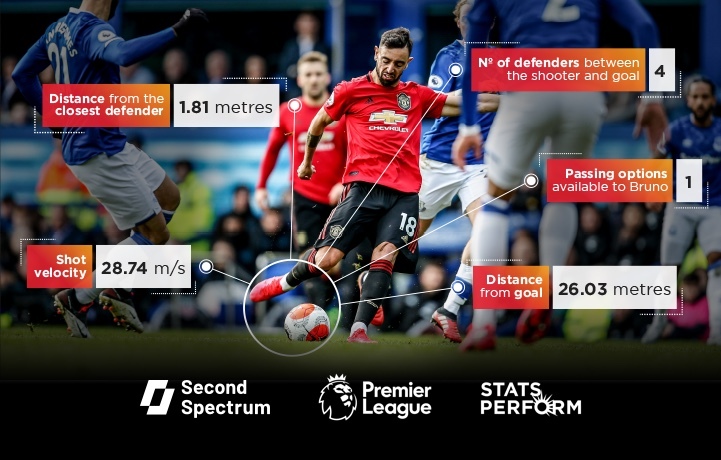
Artificial intelligence (AI) is transforming the beautiful game of football, and nowhere is this shift more visible than in England’s Premier League. Once a sport driven solely by player skill and human intuition, modern football now blends athleticism with data science, machine learning, and real-time analysis. Clubs use AI tools to analyze tactics, scout talent, manage player fitness, and even enhance fan engagement, marking a significant evolution in how the game is played and experienced.
The Premier League’s global reach has made it one of the most watched sports competitions in the world, and clubs are investing in advanced technology to stay ahead in this competitive environment. Partnerships and analytics departments are now part of the strategic landscape, helping teams make smarter decisions both on and off the field.
Understanding the impact of AI offers insight into how Premier League clubs are using technology to maintain competitive edges, improve performance, and deliver richer experiences for fans.
AI and Tactical Insights
One of the most significant ways AI influences English football is through tactical analysis. Machine learning models can dissect vast amounts of match data to uncover patterns that would be invisible to the human eye. AI systems are able to analyze player positioning, movement patterns, and passing sequences to help coaching staff refine game plans and adapt strategies in real time.
These tools go beyond basic statistics like pass counts and tackles. Instead, AI can measure spatial relationships and tactical formations, giving managers a deeper understanding of how different scenarios unfold on the pitch. This enhanced understanding enables more precise adjustments during games and more effective preparation for specific opponents.
Scouting and Recruitment
AI is also reshaping how clubs find new talent. Traditional scouting methods, while still valuable, are limited by human bias and the practical challenges of covering multiple leagues and competitions. AI-powered systems can scan huge databases of player statistics from around the world to identify prospects that match a club’s specific tactical needs.
By evaluating metrics such as pressing efficiency, pass completion under pressure, and tactical fit, AI helps clubs make data-informed decisions on recruitment. This reduces risk in the transfer market and supports clubs of all sizes in uncovering undervalued players. The use of AI in scouting is particularly beneficial for teams with smaller budgets seeking competitive advantages.
Performance Monitoring and Injury Prevention
Maintaining player health and peak performance is crucial in a demanding league like the Premier League. AI tools analyze training load, GPS tracking, and other physical performance data to highlight fatigue and potential injury risks. These insights help coaching and sports science teams adjust training regimens to keep players fit and reduce the likelihood of costly injuries.
By combining AI with wearable technology and biomechanical analysis, clubs can make early interventions that protect players and sustain performance across long and gruelling seasons. This predictive approach keeps squads competitive while reducing the toll of injuries.
Officiating Technology and AI
Beyond team strategy and performance, AI is influencing how the sport is officiated. Debate continues around technology like the Video Assistant Referee (VAR) system and its potential improvements using AI. Some experts argue that advanced AI systems could enhance accuracy and reduce decision times for contentious calls such as offsides and fouls.
While complete AI-driven officiating is still an evolving concept, the Premier League and other competitions continue exploring ways to use technology to support referees and improve fairness and consistency on the pitch. Enhanced systems could reduce controversy and improve the flow of the game.
Fan Engagement and AI
AI’s influence is not limited to match strategy. The Premier League and its partners use AI to create personalized experiences for fans around the world. By processing vast amounts of data — including historical statistics, videos, and user preferences — AI-driven platforms tailor content and recommendations to individual supporters, boosting global engagement and connection to the league.
These technologies allow fans to receive tailored stories, highlights, and insights from the league, increasing interest and loyalty across global markets. Clubs and the league invest in digital platforms that leverage AI to create richer, more interactive experiences for supporters.
Data Analytics as a Competitive Advantage
English clubs increasingly employ data specialists and analytics teams, signifying how deeply technology now underpins competitive advantage. Elite teams have built analytics departments staffed with data scientists, machine learning experts, and performance analysts to complement traditional football expertise.
These analytics departments work behind the scenes to translate raw data into actionable insights. Whether that is optimizing player fitness, designing tactical strategies, or preparing scouting reports, data science has become inseparable from on-field success.
Ethical and Practical Considerations
While the benefits of AI are clear, its integration into football raises questions about fairness and competitive balance. Wealthier clubs with access to larger technology budgets may maintain advantages over smaller teams. Ensuring equitable access to technology and balancing data-driven insights with human judgment remain ongoing discussions in the sport.
Moreover, reliance on data and automation must respect the unpredictable nature of football — the spontaneity, creativity, and human intuition that make the sport compelling.
Conclusion
AI is transforming English football at every level. From tactical insights and scouting to player performance and fan engagement, technology is driving a new era in the Premier League. Clubs that embrace AI are reshaping their strategic approaches, gaining competitive edges, and generating stronger connections with global supporters.
However, the rise of AI also presents challenges. Balancing technological innovation with the essence of the game requires thoughtful integration. Yet as machine learning, analytics, and AI-powered platforms continue to evolve, they promise to redefine what success looks like in English football — both on and off the pitch.
