African football enters 2026 with unprecedented global influence. From the Premier League and La Liga to Serie A, Ligue 1, and the Bundesliga, African players are no longer just contributors; they are leaders, match-winners, and global icons. Their impact stretches beyond club football into continental competitions and national teams preparing for major tournaments and World Cup qualification cycles.
What makes 2026 especially compelling is the balance between established superstars and a new generation of elite talent. African players are redefining tactical roles, breaking transfer records, and shaping modern football through versatility, intelligence, and athletic excellence.
This feature highlights the Top 10 African Football Players to Watch in 2026—footballers whose performances, leadership, and potential are set to define the year ahead.
1. Victor Osimhen (Nigeria)
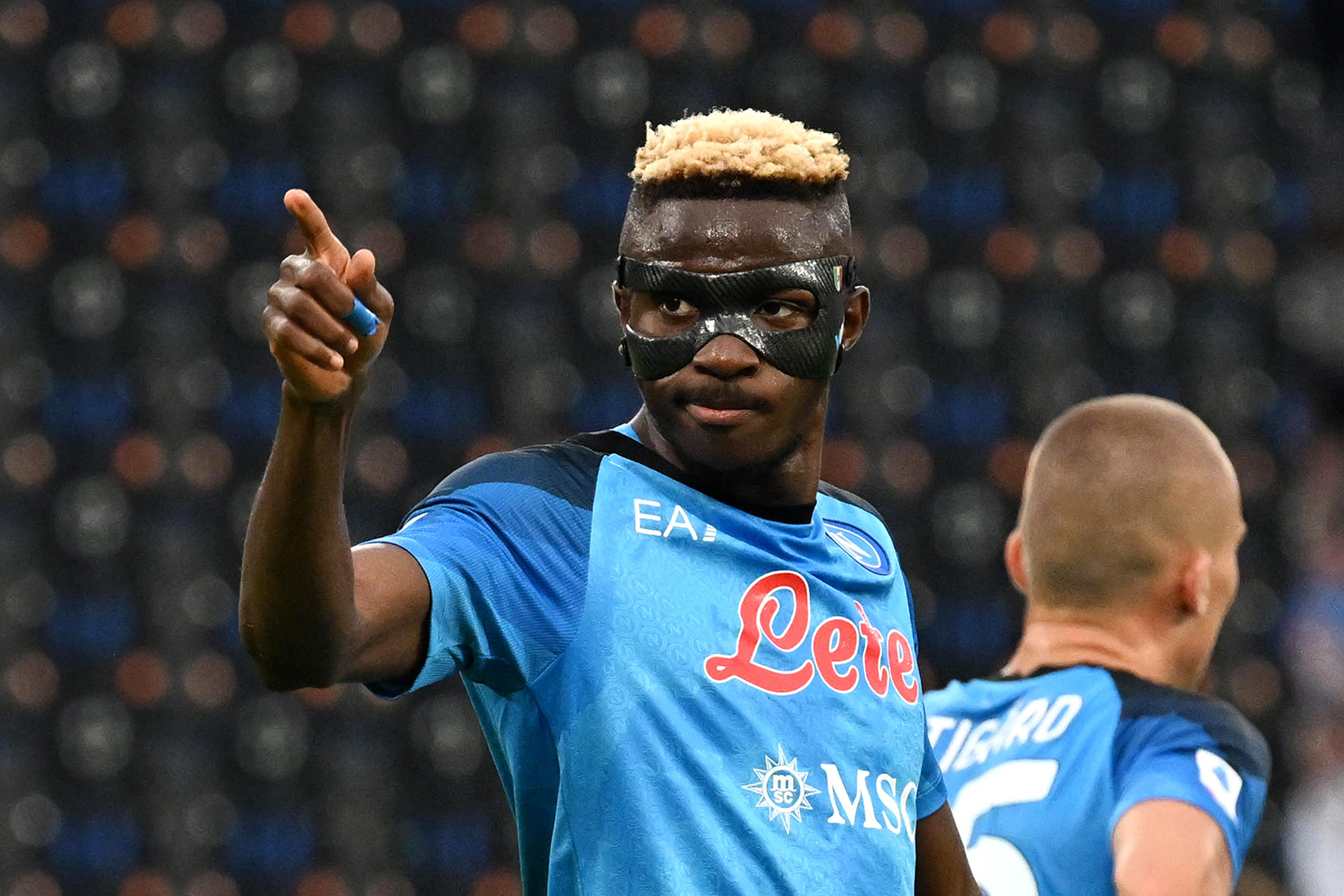
Victor Osimhen remains the benchmark for African strikers heading into 2026. His blend of explosive pace, aerial dominance, and ruthless finishing places him among the world’s elite forwards. Osimhen’s ability to score in high-pressure situations has made him indispensable at both club and international level.
What separates Osimhen is his mentality. He thrives against elite defenders, constantly pressing, making diagonal runs, and attacking space with purpose. His work rate without the ball complements his goal-scoring instincts, making him ideal for modern high-intensity football systems.
For Nigeria, Osimhen is more than a striker; he is a symbol of belief. His leadership has transformed the Super Eagles into a feared attacking force. In 2026, his influence is expected to peak as he enters his prime years, with every major competition likely to revolve around his performances.
2. Mohamed Salah (Egypt)
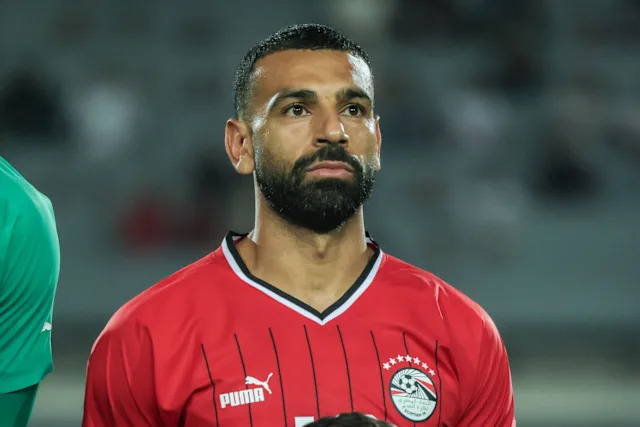
Mohamed Salah continues to redefine longevity at the highest level. Even as younger stars emerge, Salah’s consistency, intelligence, and professionalism keep him among Africa’s most influential footballers.
His evolution from a pace-driven winger into a complete attacking leader has extended his dominance. Salah now controls tempo, creates chances, and delivers decisive moments with remarkable regularity. His positional awareness and finishing remain elite.
In 2026, Salah’s importance for Egypt extends beyond goals. He represents experience, calmness, and tactical discipline. Whether playing wide or centrally, his presence changes how opponents defend. Few African players have shaped global football narratives as profoundly as Salah, and his story is far from finished.
3. Achraf Hakimi (Morocco)
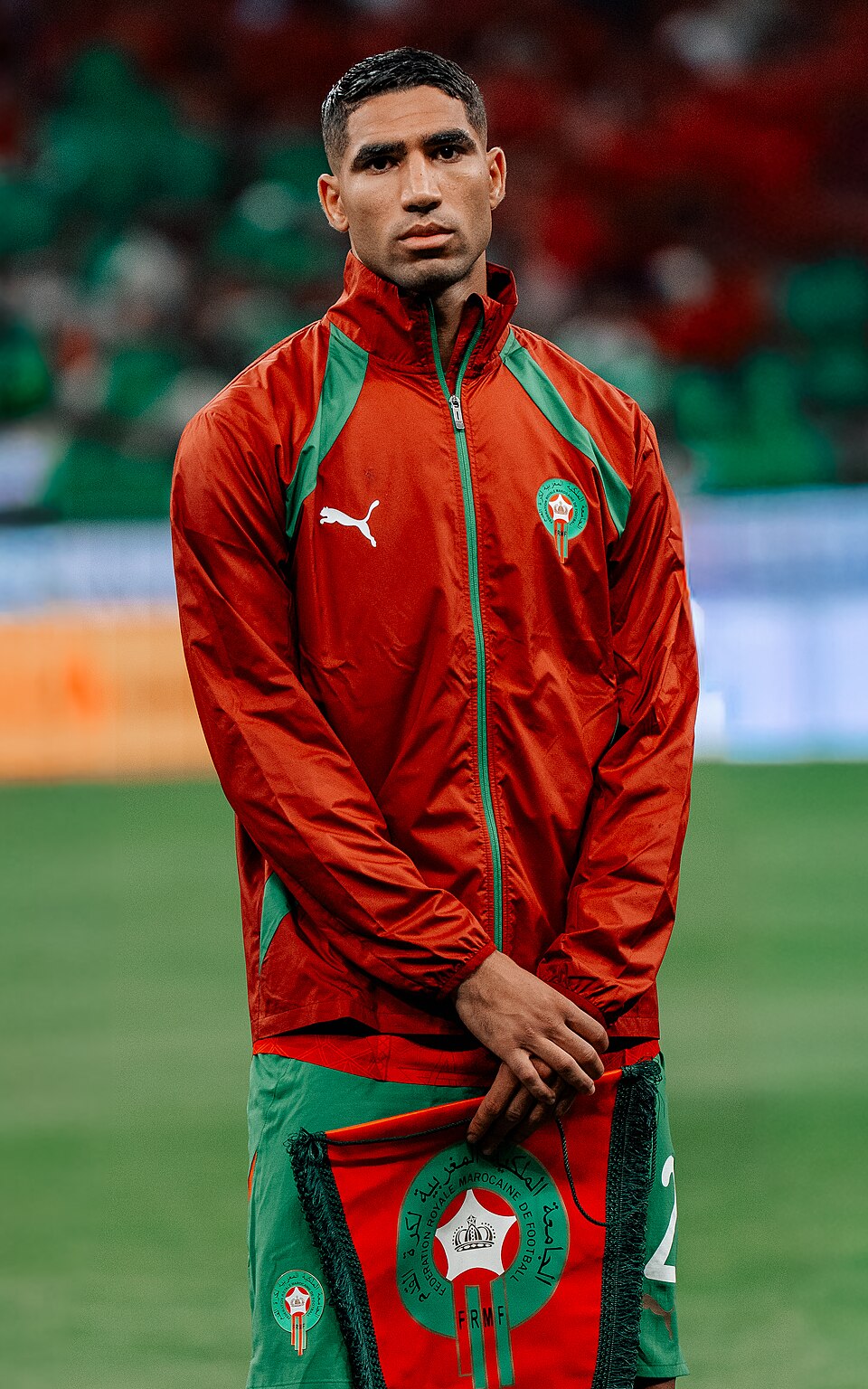
Achraf Hakimi stands at the forefront of football’s tactical evolution. No longer just a defender, he operates as a wing-back, winger, and playmaker rolled into one. His pace, intelligence, and technical quality make him one of the most dangerous full-backs in the world.
Hakimi’s influence for Morocco is historic. He played a central role in elevating the national team to global prominence, and in 2026 he remains the heartbeat of their system. His overlapping runs, defensive recovery speed, and attacking output give coaches tactical flexibility.
What makes Hakimi special is decision-making at speed. He delivers crosses, cuts inside, and finishes with confidence. In a football era where full-backs define systems, Hakimi is Africa’s gold standard.
4. Sadio Mané (Senegal)
Sadio Mané enters 2026 as a symbol of leadership and resilience. While his club career has evolved, his importance to Senegal remains unquestioned. Mané’s intelligence, versatility, and relentless pressing make him invaluable.
He no longer relies solely on explosive speed. Instead, Mané uses positioning, experience, and composure to influence matches. His ability to play across the front line allows tactical adaptability, especially in tournament football.
For Senegal, Mané is both captain and inspiration. His influence off the pitch elevates team unity, while his presence on it commands respect. In 2026, Mané’s experience could be the difference in tight knockout matches.
5. Riyad Mahrez (Algeria)
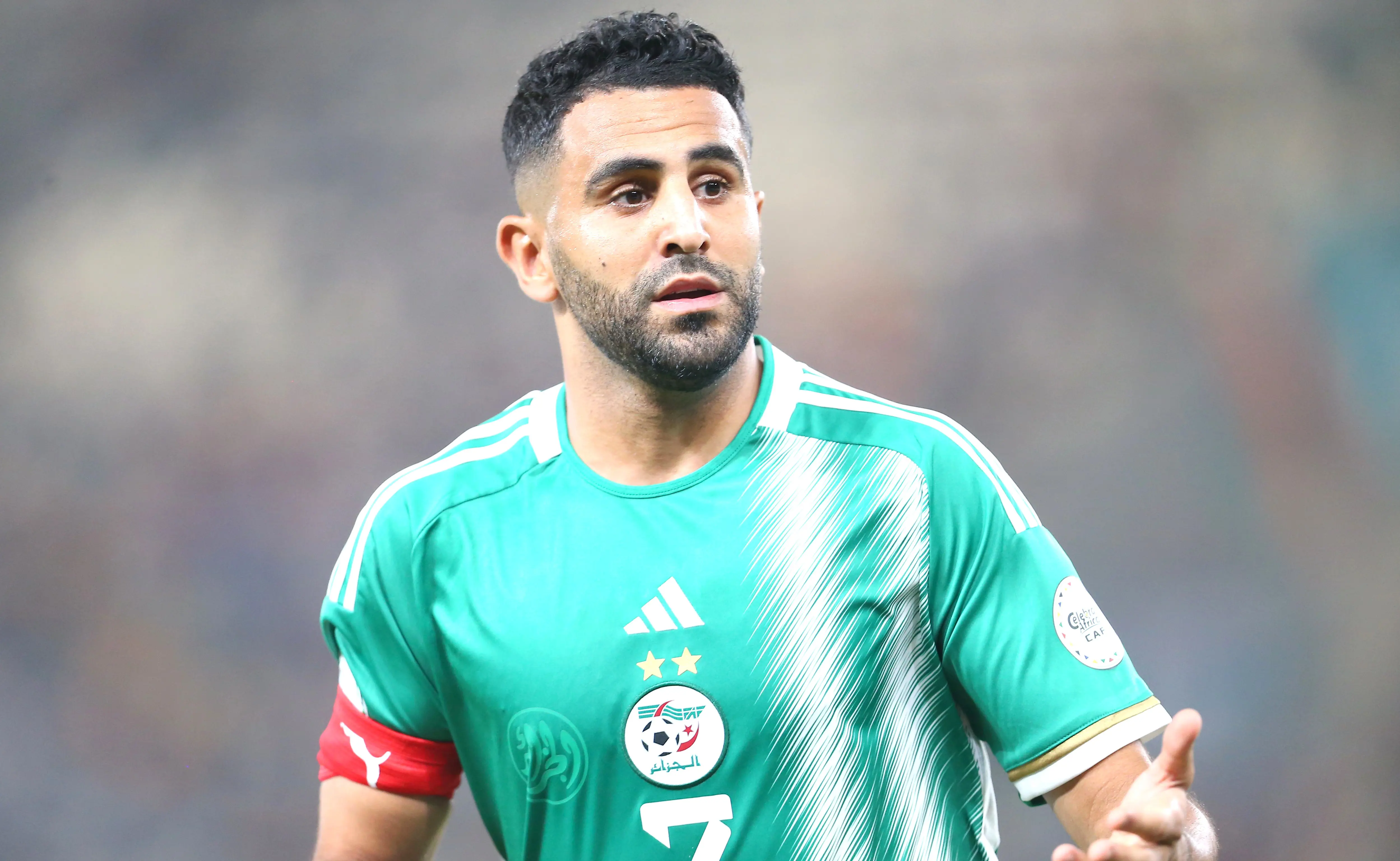
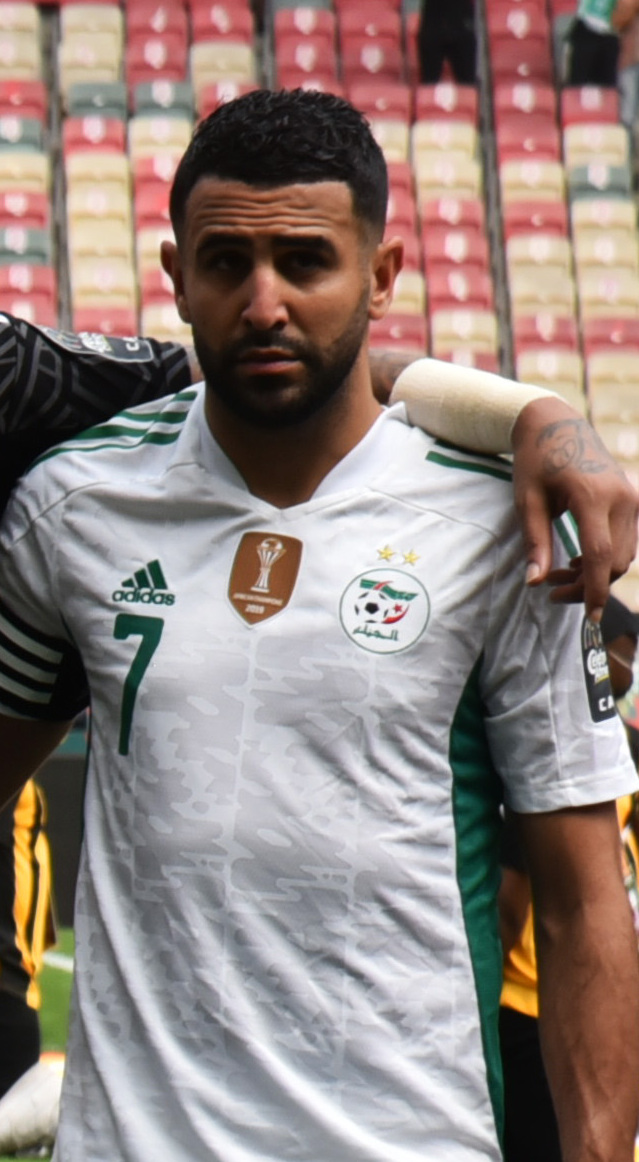
Riyad Mahrez remains one of football’s most elegant creators. His left foot, close control, and ability to unlock defenses make him a constant threat in possession-based systems.
Mahrez’s football intelligence allows him to dictate games without excessive physical output. His timing, creativity, and composure under pressure make him a tactical asset. Even in high-tempo matches, Mahrez brings calm and clarity.
For Algeria, Mahrez is the creative compass. In 2026, his experience and leadership will be crucial in guiding younger players through demanding international fixtures.
6. Victor Boniface (Nigeria)
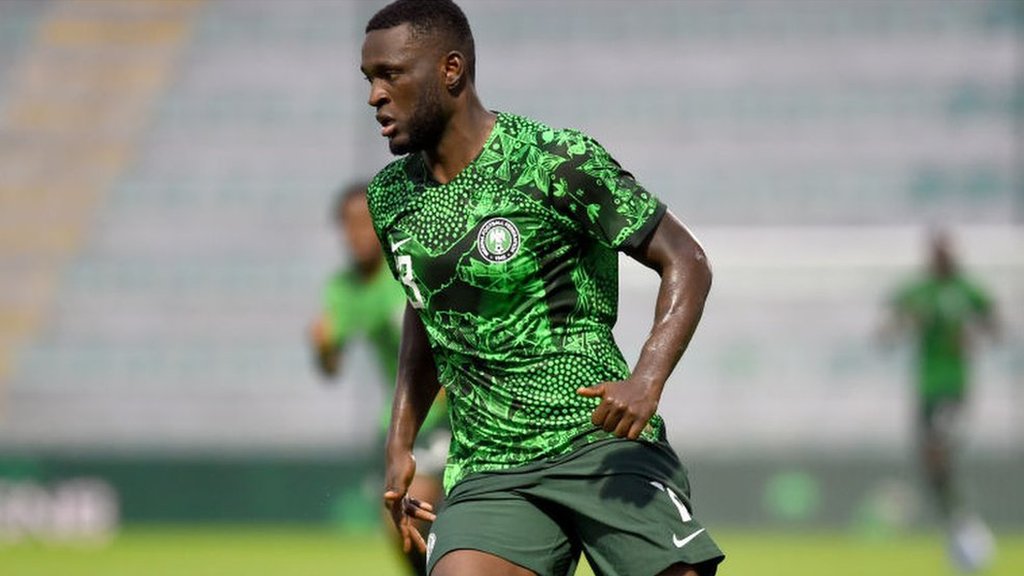

Victor Boniface represents the new generation of African forwards. Strong, agile, and technically gifted, he combines physical presence with refined finishing.
Boniface excels in link-up play, often drawing defenders to create space for teammates. His composure in front of goal and ability to operate across attacking roles make him tactically flexible.
In 2026, Boniface is expected to become a central figure for Nigeria, complementing established stars while carving his own legacy.
7. Mohammed Kudus (Ghana)
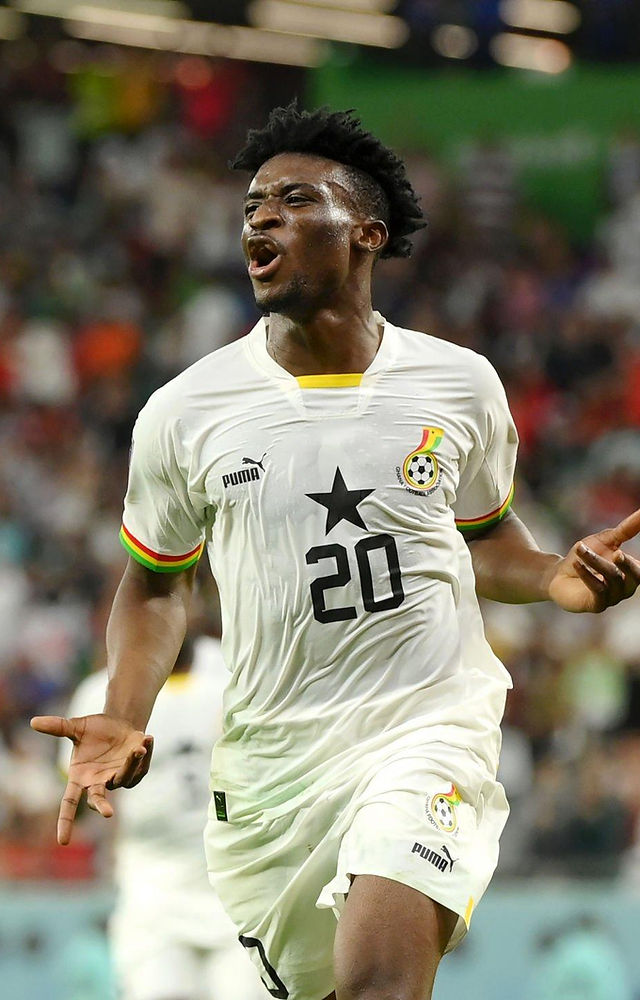

Mohammed Kudus is one of Africa’s most complete midfielders. Comfortable as an attacking midfielder, winger, or false nine, his versatility is unmatched.
Kudus combines technical skill with physical strength, making him effective in transitions. His long-range shooting and dribbling ability add unpredictability to Ghana’s attack.
As Ghana rebuilds toward sustained success, Kudus is expected to be its creative centerpiece in 2026.
8. Ademola Lookman (Nigeria)
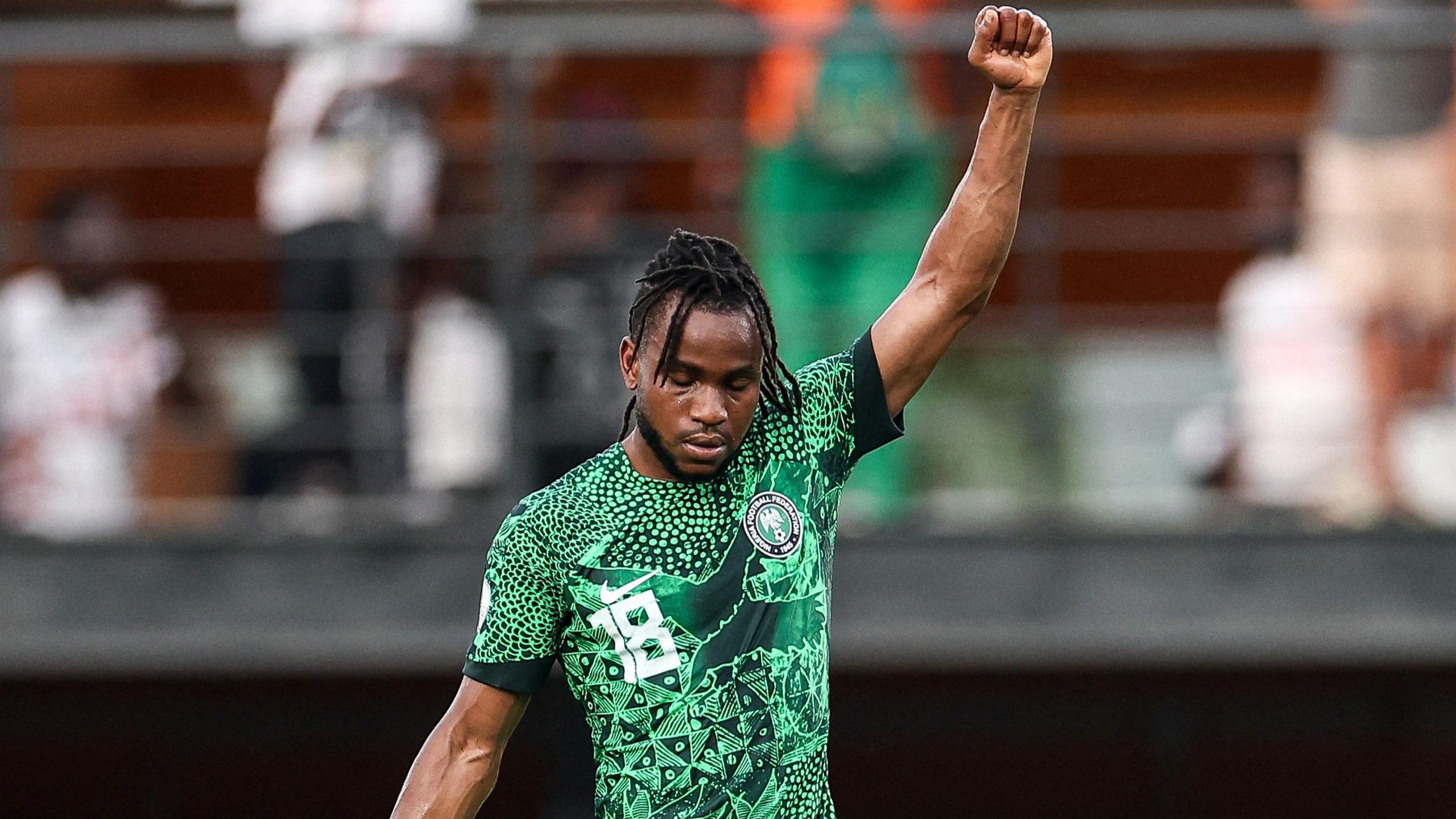
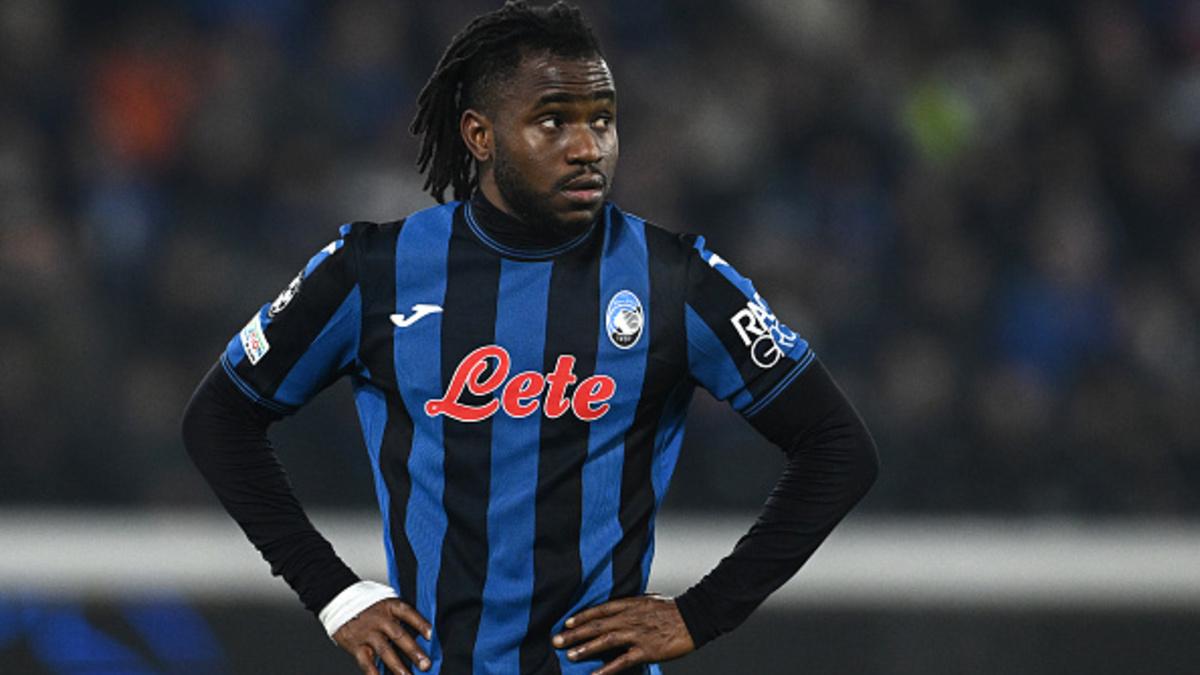
Ademola Lookman has evolved into one of Africa’s most dynamic wide attackers. His dribbling, off-ball movement, and improved finishing make him a constant menace.
Lookman thrives in high-tempo systems, exploiting defensive gaps with intelligence rather than raw speed alone. His confidence has grown significantly, translating into decisive performances.
In 2026, Lookman is expected to be a key figure in Nigeria’s attacking structure.
9. Amadou Onana (DR Congo heritage)
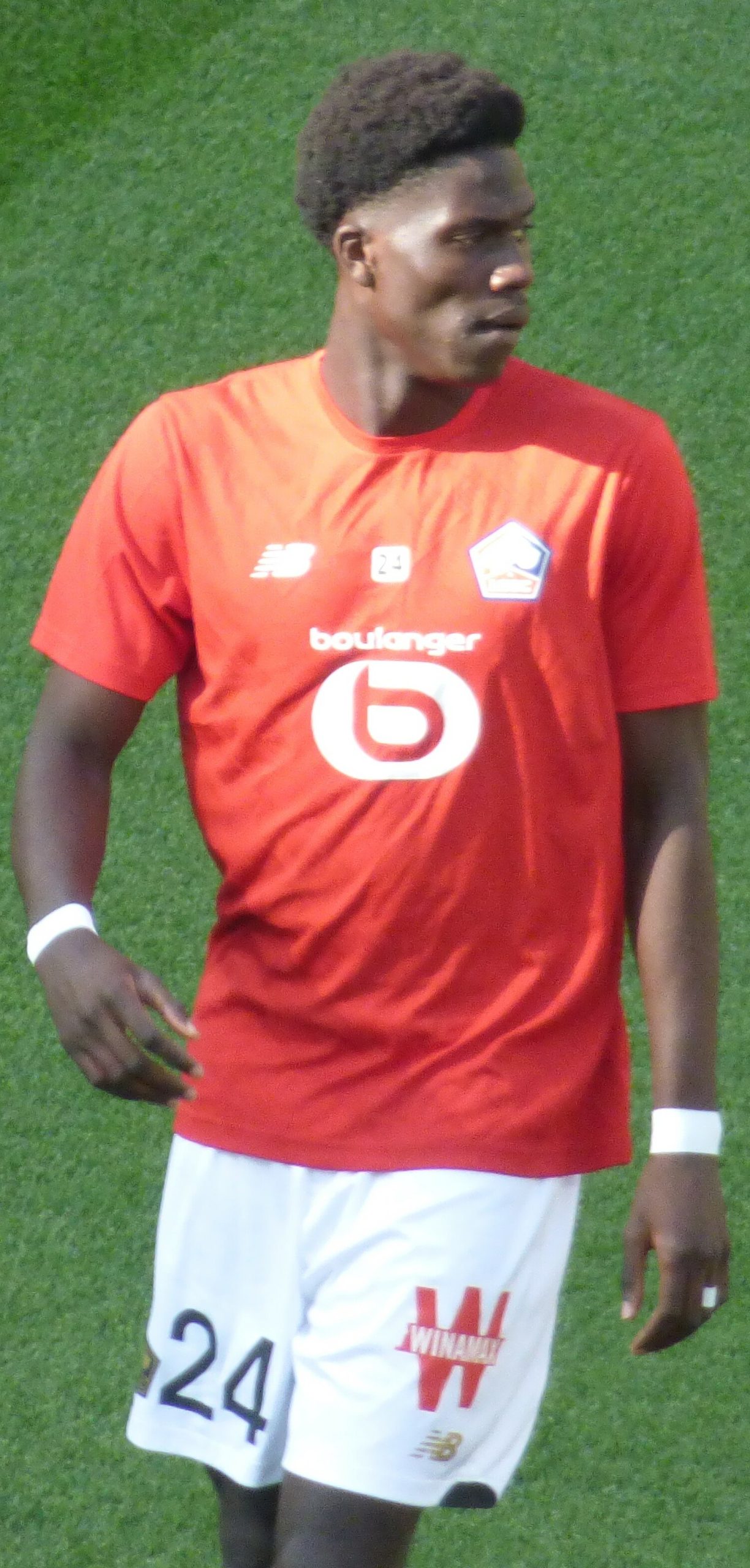
Amadou Onana represents the modern defensive midfielder. Tall, athletic, and tactically disciplined, he provides defensive stability while contributing to build-up play.
His reading of the game allows him to intercept passes and control midfield tempo. Onana’s physical presence makes him dominant in duels, an asset in high-intensity matches.
In 2026, Onana is expected to establish himself as one of Europe’s top midfield enforcers with African roots shaping his identity.
10. Pape Matar Sarr (Senegal)
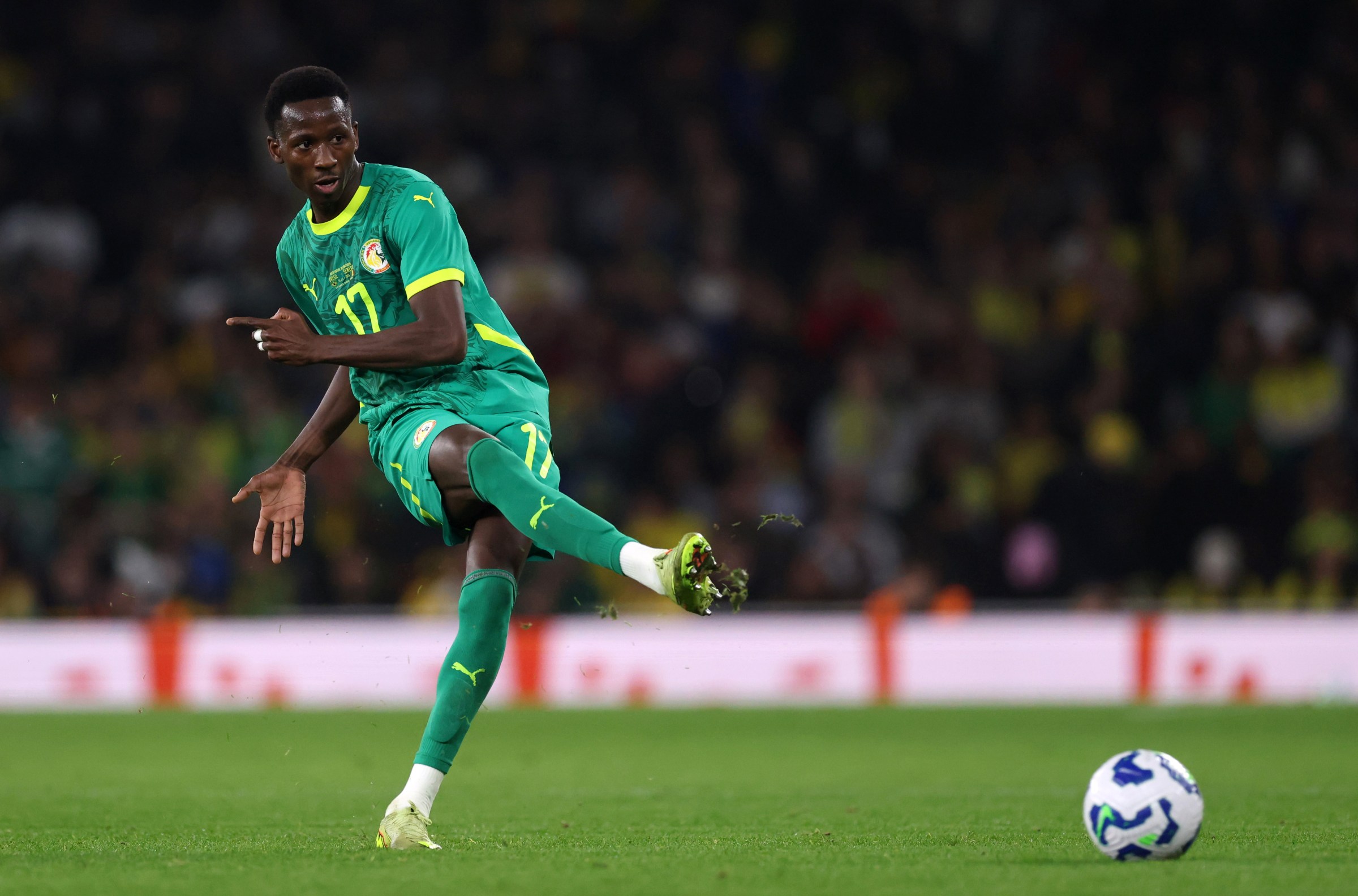
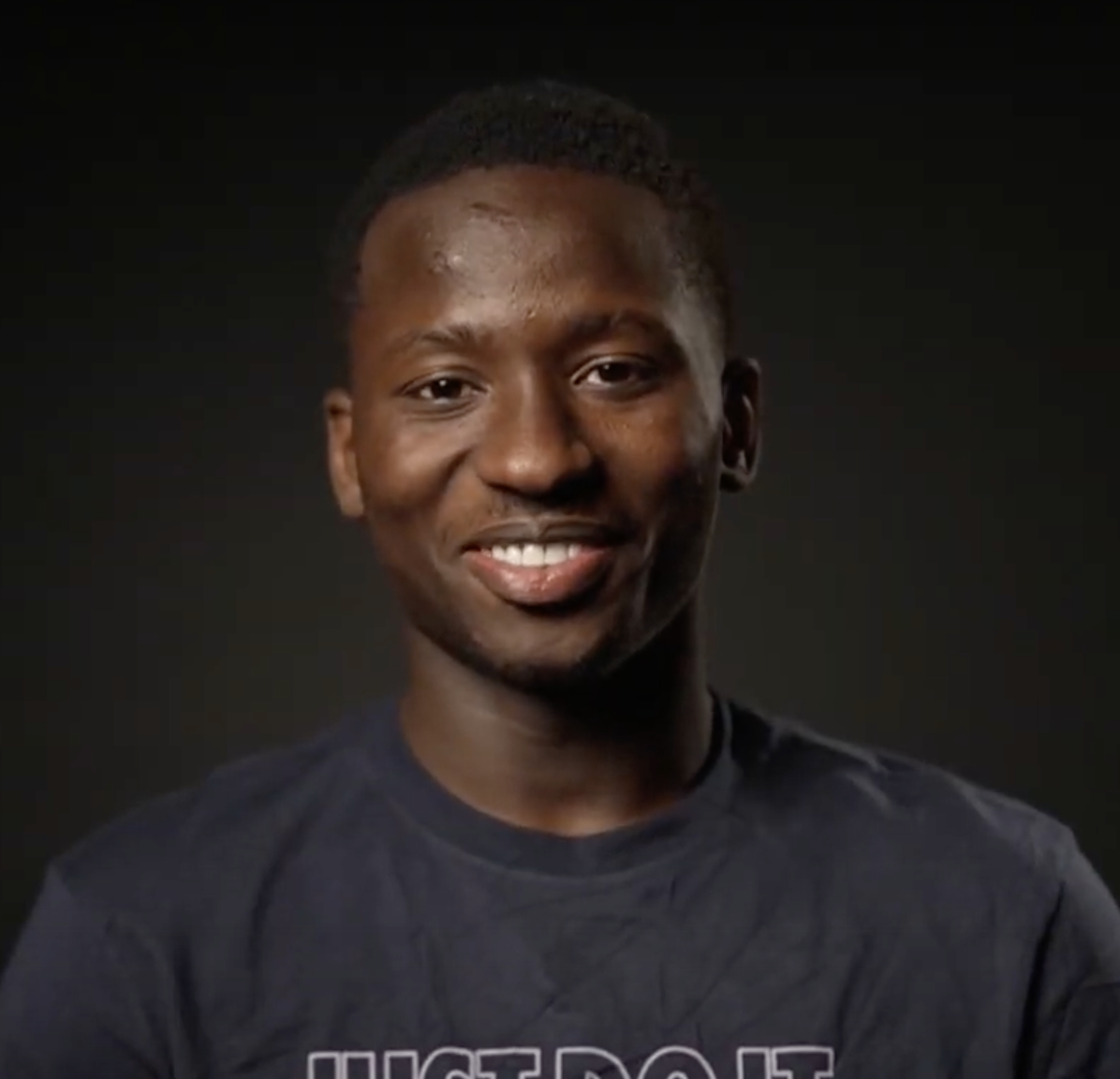
Pape Matar Sarr embodies the future of African midfield play. Energetic, intelligent, and technically secure, he excels in box-to-box roles.
Sarr’s ability to cover ground, break lines, and support both defense and attack makes him invaluable. His maturity at a young age suggests a long and influential career ahead.
In 2026, Sarr is expected to play a central role for Senegal, bridging generations within the squad.
Why African Football Will Shine in 2026
African footballers continue to redefine global standards. Their versatility suits modern tactics, while their mental resilience prepares them for elite competition. Clubs increasingly rely on African players not only for talent but for leadership and tactical discipline.
National teams benefit from stronger player development pathways and international exposure. As African football infrastructure improves, the talent pipeline becomes deeper and more competitive.
Conclusion
The Top 10 African Football Players to Watch in 2026 represent excellence, evolution, and ambition. From proven superstars like Mohamed Salah and Victor Osimhen to rising forces like Victor Boniface and Mohammed Kudus, African football stands at the center of the global game.
These players are not just participants; they are leaders shaping football’s future. As 2026 unfolds, their performances will influence club success, international tournaments, and the global perception of African football.
African football is no longer emerging. It has arrived—and it is here to dominate.