
Rugby has a rich and growing presence across Africa — from powerhouse nations competing on the world’s biggest stages to emerging teams building their skills and reputations in continental tournaments. At the heart of African rugby stands South Africa, a global heavyweight in the sport, while nations like Zimbabwe, Namibia, Kenya, Madagascar, and others are making notable strides through regional competitions, development programs, and international exposure. Understanding this dynamic helps paint a picture of a continent where rugby is both steeped in tradition and rapidly evolving.
South Africa: The Continental Powerhouse
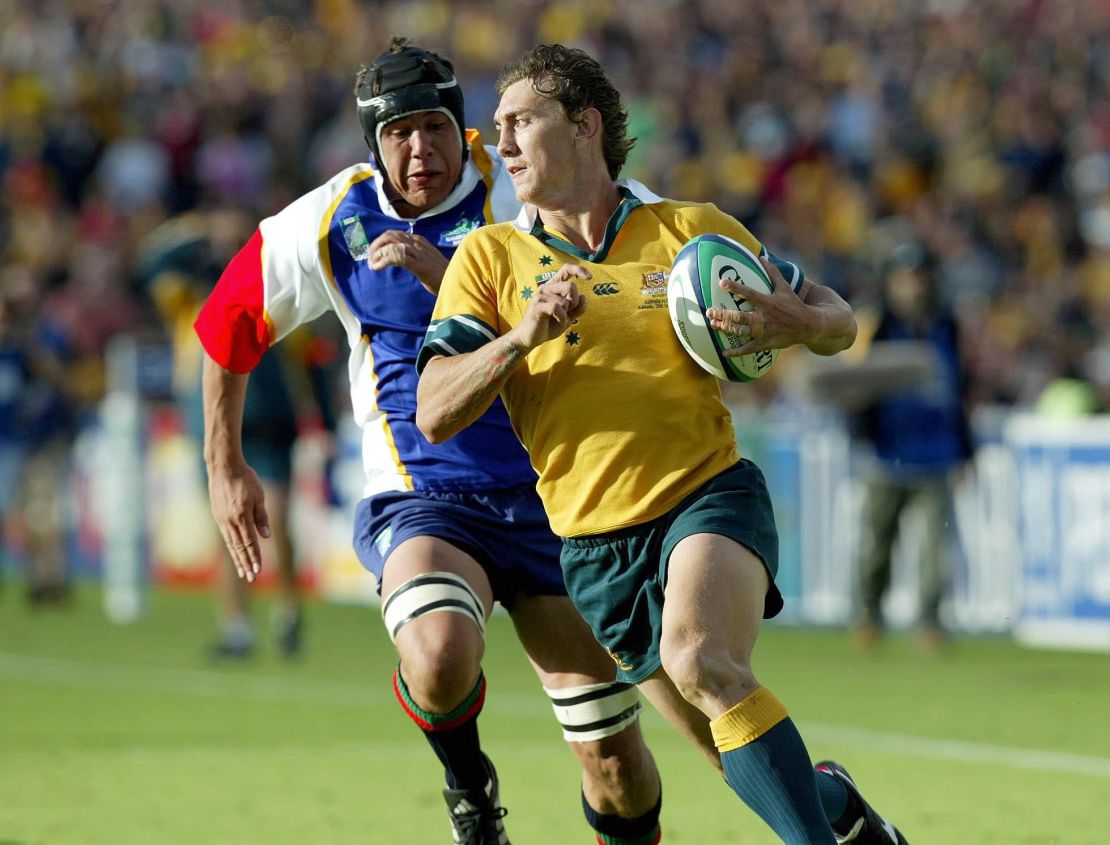
The South Africa national rugby union team, known as the Springboks, is by far Africa’s most dominant rugby side and one of the most successful in the world. They have won the Rugby World Cup four times — in 1995, 2007, 2019, and 2023 — more than any other nation. (Wikipedia)
In addition to World Cup success, South Africa consistently performs at the highest level internationally. They frequently compete in The Rugby Championship, an elite tournament that includes Argentina, Australia, and New Zealand, and have multiple titles in that competition. (Facebook)
South African rugby’s strength extends beyond the men’s national side. The Springbok Women’s team has also shown growth on the world stage, including success against teams like Brazil in the 2025 Women’s Rugby World Cup, highlighting the nation’s depth and commitment to both men’s and women’s rugby.
South Africa’s domestic structures — such as provincial competitions and club sides — nurture talent from a young age. Their youth teams, including U18 sides, deliver strong performances against international opposition, underscoring the depth of the rugby pipeline.
What Drives South Africa’s Dominance
Several factors help explain South Africa’s rugby supremacy:
- History and culture: Rugby has deep roots in South African society, especially in schools and clubs, creating a large base of players and fans.
- Professional structures: High‑level domestic competitions and professional leagues help prepare players for international competition.
- International success: Consistent performance against top nations elevates standards and experience.
Recent years have seen South African players and coaches influence rugby beyond Africa, with Springboks regularly featuring in Dream Teams and major international accolades. For example, in 2025 multiple South African players were selected in World Rugby’s Dream Team of the Year, highlighting individual excellence coupled with team success on the global stage.
Emerging Rugby Nations in Africa
While South Africa leads the continent, rugby is growing in many other African nations. Several teams compete in Rugby Africa tournaments and qualifiers for global competitions like the Rugby World Cup.
Zimbabwe (The Sables)
Zimbabwe has a long rugby tradition and continues to rise in prominence. Ranked well within the top African sides, Zimbabwe’s Sables have won the Rugby Africa Cup and secured qualification for the Rugby World Cup, showcasing consistency and growth in both skill and international recognition.
Namibia (The Welwitschias)
Namibia is another strong contender in African rugby. Known for regular appearances at multiple Rugby World Cups and competitive performances in continental tournaments, Namibia offers both experience and spirited play. Their consistent qualification record underscores a program that competes with Africa’s best.
Kenya (The Simbas)
Kenya may be better known globally for its rugby sevens success, but the fifteen‑a‑side team — the Simbas — has also made progress. With competitive showings in the Africa Cup and strong athleticism drawn from the sevens program, Kenya continues growing as a competitive presence in African rugby.
Madagascar
Madagascar has an enthusiastic rugby culture and has achieved historic results, including memorable performances in continental events. Their passionate fan base and growing momentum make them an exciting force in African rugby development.
Other Emerging Teams
Other nations like Tunisia, Senegal, and Morocco have competitive programs and contribute to the expanding rugby landscape. These sides may not yet match the depth of South Africa or Zimbabwe but are gaining experience and building rugby ecosystems that support growth.
Development and Grassroots Growth
Rugby Africa and World Rugby have prioritized development programs to expand participation. Initiatives such as “Get Into Rugby” introduce the sport to children and communities across the continent, helping cultivate new talent and growing fan engagement.
Investment in coaching, youth competitions, and infrastructure is essential to sustain this growth. As more African nations embrace structured pathways — from schools to national teams — the competitive gap may narrow, raising the overall standard of rugby across Africa.
Challenges Facing Emerging Teams
Despite progress, challenges remain:
- Funding and infrastructure: Limited resources can restrict training facilities, competitive exposure, and professional pathways.
- Competition exposure: Fewer high‑level test matches against Tier 1 nations limits experience compared to countries like South Africa.
- Retention of talent: Emerging nations often see their best players move abroad, which can impact local development.
Addressing these challenges requires collaboration between national unions, sponsors, and international bodies to ensure sustainable growth.
The Future of African Rugby
Rugby in Africa continues to evolve. With South Africa setting a powerful benchmark, other nations are leveraging regional competitions, sevens rugby success, and grassroots development to build competitive teams. As investment increases and international exposure grows, African rugby promises more thrilling rivalries and deeper talent pools in the years to come.
Whether you’re watching the Springboks dominate on the world stage or cheering for rising teams like Zimbabwe or Kenya, the continent’s rugby story is dynamic, diverse, and full of potential.
