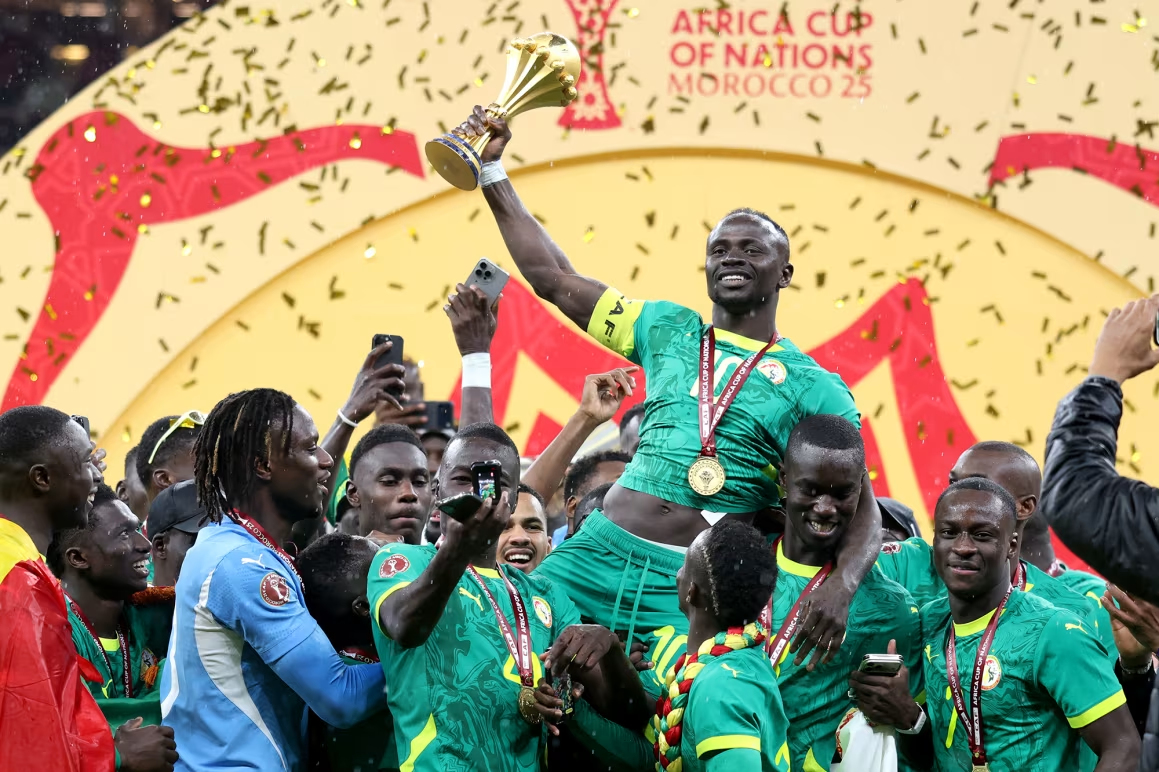
The future of the Africa Cup of Nations (Afcon) is in the spotlight after CAF President Patrice Motsepe announced that the competition will be held every four years instead of biennially. This major shift, announced just before the 2025 Afcon finals, has sparked heated debate among fans, coaches, and pundits. The decision is seen by some as a necessary change for the growth of African football, while others, including Mali’s head coach Tom Saintfiet, have labeled it “totally wrong.”
Why the Change to Every Four Years?
The decision to move Afcon to a four-year cycle came after extensive consultations with FIFA and a focus on creating a more synchronized global football calendar. Motsepe, who initially opposed the idea, now believes it is in the best interests of African football, especially as the World Cup expands to include 48 teams. This change will help harmonize schedules and reduce the disruption caused to European clubs when African players are called up for Afcon.
The Impact on African Football Development
Many critics argue that reducing the frequency of Afcon will harm the development of football on the continent. Senegal’s captain Kalidou Koulibaly expressed concern, stating that holding the tournament every two years had been beneficial for Africa’s development. However, Motsepe counters that the creation of a new African Nations League, to begin in 2029, will provide a competitive alternative to keep teams engaged and improve the quality of African football year-round.
The Financial Implications
Motsepe also argues that the move to a four-year cycle will benefit African football financially. He pointed to the increased revenue generated from Afcon over recent years, with CAF projecting a profit of $114 million for the 2025 edition. The new cycle will allow for more planning, better infrastructure, and bigger commercial opportunities, helping to elevate the competition’s profile on the global stage.
What Does This Mean for Smaller Nations?
For smaller African nations, the change may offer more time to develop their squads and improve their performances. However, some critics fear that the new format could result in less opportunity for smaller teams to gain exposure. Ivory Coast’s coach Emerse Fae believes that the Nations League could offer a platform for these nations to compete at a higher level, improving their footballing standards.
A Divisive Decision
The decision to hold Afcon every four years is divisive. While it may help synchronize international football calendars and create new opportunities for growth, it also risks diminishing the frequency of the continent’s most prestigious tournament. The introduction of the African Nations League will hopefully fill the void, but only time will tell if this change benefits African football in the long run.