Sport plays a vital role in African societies, uniting communities, promoting health, and developing talent that shines on global stages. From football to athletics, basketball to rugby, Africa has produced world‑class athletes, yet the infrastructure supporting sport on the continent often lags behind global standards. This disparity presents both significant challenges and promising opportunities for development, investment, and long‑term success. This guide explores the current state of sports infrastructure in Africa, highlighting the roadblocks countries face and how strategic investments can unlock huge potential.
The Current Landscape of Sports Infrastructure
Across Africa, infrastructure ranges widely — from world‑class facilities in parts of South Africa and North Africa to basic community fields in rural regions. Major metropolitan centers like Johannesburg, Cairo, and Nairobi host national stadiums and arenas that meet international standards, but these are often the exception rather than the norm.
In many countries, athletes train on uneven pitches, outdated tracks, and multi‑purpose halls that struggle to support competitive sport. Although passion for sport is deeply rooted, the physical spaces needed for training, competition, and sport development remain inconsistent.
Infrastructure Challenges Facing African Sports
1. Limited Funding and Investment
One of the most pervasive challenges is lack of funding. Many government budgets prioritize basic services such as healthcare, education, and infrastructure over sport facilities. As a result, sports projects struggle for financial support, relying on small grants, local sponsorships, or external donors.
Without adequate investment:
- Facilities deteriorate rapidly
- Maintenance of existing venues is neglected
- New opportunities are delayed or cancelled
Long‑term planning for infrastructure is often hindered by short‑term funding cycles.
2. Uneven Infrastructure Distribution
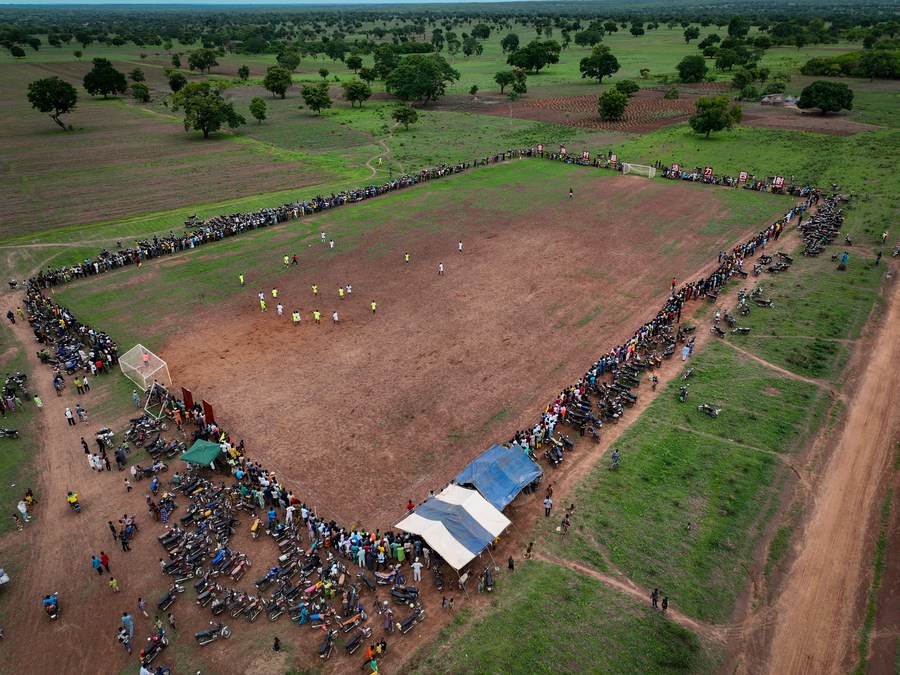
Sports infrastructure in Africa is unevenly distributed. Urban centers and capital cities tend to have better facilities, while rural and remote areas lack even basic playing fields. This disparity limits access for young athletes outside major cities and narrows the talent pipeline.
In many communities, fields are improvised or shared with other services, making regular training difficult. Rural athletes often must travel long distances to access suitable venues, adding financial and time burdens.
3. Maintaining Existing Facilities
Existing stadiums and courts require regular maintenance. Inadequate maintenance leads to damage such as broken seating, worn turf, and unsafe playing surfaces. Without consistent care, venues can become unusable, forcing teams to find alternate, often inferior, training spaces.
Public‑private partnerships are often underutilized, meaning state‑owned assets lack the investment needed for upkeep.
4. Skill Gaps in Technical Support
Top‑quality sports infrastructure requires skilled managers and technicians — from turf specialists to facility engineers. Many African countries face shortages of trained personnel to manage complex venues, resulting in under‑use and mismanagement.
Training in facility management and technical support is often limited, increasing pressure on existing staff and reducing the lifespan of infrastructure.

5. Inadequate Support for Women’s and Inclusive Sports
While interest in women’s sport is growing — with national teams and leagues gaining popularity — facilities often lack safe, accessible spaces for women and girls. Inclusive design that supports para‑sports is also limited in many regions, reducing opportunities for athletes with disabilities.
Addressing this gap is essential for equitable development of sport across all populations.
Opportunities for Growth and Impact
Despite challenges, there are exciting opportunities to improve sports infrastructure across Africa.
1. Public‑Private Partnerships (PPPs)
Collaborations between governments and private investors can unlock financing for new venues and upgrades. PPPs allow shared costs, expertise, and long‑term management, reducing financial strain on public budgets.
Successful partnerships can build:
- Modern stadiums for national and club teams
- Community centers with multi‑sport facilities
- Training academies with athlete support services
Engaging local businesses as sponsors strengthens community ownership and long‑term sustainability.
2. Regional Training Hubs
Pooling resources across regions or countries can create centers of excellence that attract top talent. These hubs could offer world‑class training facilities, coaching, sports science support, and competition spaces.
Regional collaboration also encourages knowledge sharing and joint events, raising standards across borders.
3. Leveraging Technology
Emerging technologies can support facility design, maintenance, and athlete development. Smart systems help manage lighting, turf health, scheduling, and security. Digital platforms can also centralize booking and reduce idle time at venues.
Technology also enables remote coaching, virtual training analysis, and performance tracking without reliance on physical space alone.
4. Youth and Grassroots Development
Investing in community‑level infrastructure creates lasting impact. Small projects like safe, flood‑lit pitches, basketball courts, and athletics tracks provide daily opportunities for youth engagement.
Grassroots facilities are essential for:
- Talent identification
- Healthy lifestyles
- Community cohesion
Partnerships with schools and NGOs can maximize reach without duplicating costs.
5. Hosting International Events
With improved venues, African cities can host continental and global competitions — from football championships to athletics tours. Hosting high‑profile events drives tourism, creates jobs, and encourages legacy infrastructure investment.
Countries like South Africa, Egypt, Kenya, and Morocco have already shown capacity for major sports events, paving the way for others.
Success Stories and Models
Several African nations offer models that others can learn from:
- South Africa: World Cup stadiums and multipurpose arenas support professional leagues and international matches.
- Morocco: Investment in modern football and athletics facilities positions the country to host major African and global competitions.
- Kenya: Community athletics tracks and grassroots programs help develop world‑class runners.
These examples show that strategic planning and investment, even on a modest scale, can yield high returns in athlete performance and community participation.
The Way Forward
Improving sports infrastructure in Africa requires coordinated strategy and long‑term commitment. Governments, private sectors, sports federations, and communities must collaborate to:
- Prioritize sustainable planning
- Increase investment and maintenance funding
- Ensure equitable access in urban and rural areas
- Promote inclusive facilities for all athletes
Targeted initiatives present an opportunity to transform sport across the continent — boosting performance on global stages and enriching local communities.
Sports infrastructure in Africa today reflects both great potential and ongoing challenges. While passion for sport is strong and talent abundant, limitations in facilities, funding, and technical expertise hinder growth. However, with smart investments, public‑private partnerships, community engagement, and regional cooperation, Africa can build a stronger sports ecosystem. Improving infrastructure isn’t just about stadiums and tracks — it’s about creating spaces where athletes thrive, communities connect, and nations compete with pride.